



Simulation games have carved a significant niche within the gaming industry, captivating audiences with their unique blend of realism, creativity, and strategy. These games offer a virtual sandbox where players can engage in realistic scenarios or create fantastical worlds, making them hugely popular across various demographics. The keyword 'phginto' signifies the wide-ranging appeal these games have, attracting both dedicated gamers and casual players alike.
One of the most notable aspects of simulation games is their versatility. They encompass a broad array of sub-genres, from life simulations like 'The Sims,' where players manage the day-to-day activities of virtual characters, to city-building games like 'SimCity,' which challenge players to design and manage urban environments. Moreover, the sub-genre of vehicle simulations appeals to enthusiasts who dream of flying aircraft, driving trucks, or commanding trains. Each type offers a distinct experience, yet they all share the common element of simulating real-world or imagined processes and systems.
The appeal of simulation games also lies in their educational potential. Many of these games provide an engaging platform for learning complex concepts, from economics and management in tycoon games to biological processes in life simulations. Educational institutions have started to adopt these games as teaching tools, recognizing their ability to enhance learning experiences in subjects like history, physics, and engineering.
Another compelling feature of simulation games is their ability to foster creativity. Games like 'Minecraft' and 'Planet Zoo' empower players to be architects of their universes, providing tools to build intricate structures and intricate ecosystems. This creative freedom is not only entertaining but also encourages innovative thinking and problem-solving skills.
Furthermore, the rise of VR technology has opened new frontiers for simulation games, providing more immersive experiences that further blur the lines between reality and virtual simulation. With these advancements, players can now engage more deeply with the game environment, leading to heightened levels of engagement and realism.
In conclusion, the simulation game genre continues to thrive due to its adaptability, educational potential, and creative possibilities. The 'phginto' of the gaming world stands testament to its broad appeal and enduring relevance in the ever-evolving landscape of digital entertainment. Whether managing a virtual city, crafting an imaginative world, or learning through play, simulation games offer something for every type of player, reinforcing their place as a cornerstone of contemporary gaming culture.

Phginto emerges as a beacon for gamers in 2026, blending community and competition seamlessly.
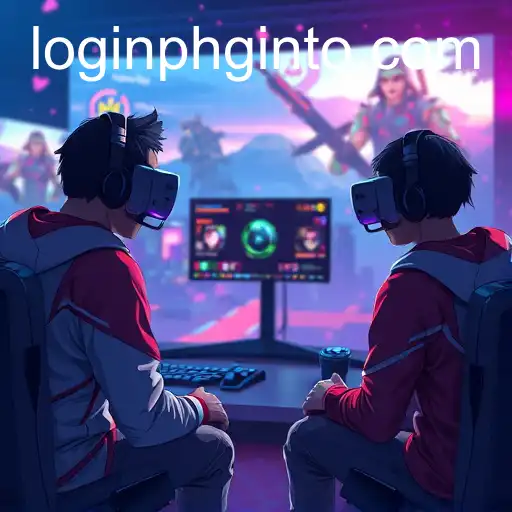
Exploring the latest dynamics and trends in the online gaming world with 'phginto' as a focal point.

Exploring the growth and influence of Phginto on the online gaming community.

Phginto emerges as a transformative force in the online gaming landscape, influencing trends and shaping player experiences worldwide.

Exploring how Phginto is transforming the online gaming landscape in 2026 through cutting-edge technology and community engagement.

Exploring the emergence and impact of online gaming platforms in the digital era.
